


What Is Emotional Abuse and How It Destroys Relationships
Key Takeaways
- Emotional abuse is a repeated pattern of behavior used to control, frighten, or diminish another person, and it can happen without any physical violence.
- Common tactics include verbal abuse, gaslighting, isolation, and emotional manipulation designed to wear down self-worth.
- Abuse of any kind is linked to a higher risk of anxiety, depression, and post-traumatic stress disorder (PTSD).
- Recognizing red flags early makes it easier to set boundaries, stay safe, and begin trauma recovery.
- Professional mental health support helps survivors process what happened and learn to trust themselves again.
Emotional abuse rarely starts with an obvious insult. More often, it begins with small comments, a little too much jealousy, or a partner who “just wants to know” where you are at all times. Over months or years, those behaviors can wear down your confidence until you no longer trust your own judgment.
So, what is emotional abuse, exactly? And why does it cause so much damage when it leaves no visible marks? This guide covers how emotional abuse works, the warning signs to watch for, how it affects mental health, and the practical steps that support trauma recovery. If you recognize your own relationship here, what you are experiencing is real; it is not your fault, and help is available.
Defining Emotional Abuse and Its Core Characteristics
When people ask “What is emotional abuse?” the clearest answer is this: a pattern of nonphysical behavior that one person uses to gain power and control over another. It can happen between romantic partners, family members, friends, or coworkers. The U.S. Office on Women’s Health explains that emotional and verbal abuse covers insults along with efforts to frighten, isolate, or control a partner, and the harm can be as serious as the harm from physical abuse.
What separates abuse from an ordinary argument is the pattern. Every couple disagrees sometimes. Emotional abuse is ongoing and one-sided, and it aims to make the other person feel smaller, more dependent, or afraid. Core characteristics include:
- Persistent criticism, name-calling, or public humiliation
- Threats, intimidation, or anger that feels frightening
- Blaming the victim for the abuser’s own behavior
- Controlling money, time, or social contact
- Withholding affection or using the silent treatment as punishment
How Psychological Control Manifests in Relationships
Psychological control works by shifting who holds the power. An abusive partner may monitor your phone, decide which friends are “acceptable,” or make every financial decision. Some control is overt, like demanding your passwords. Much of it is subtle, like sulking for days after you visit family until you simply stop going.
Over time, the targeted partner adapts to avoid conflict. They check in constantly, second-guess their choices, and give up activities and friendships to keep the peace. Each of those adjustments hands the controlling partner a little more power.
The Damaging Effects of Verbal Abuse on Mental Health
Verbal abuse is one of the most common forms of emotional abuse. It includes yelling, cursing, mocking, degrading “jokes,” and constant put-downs. Because words leave no bruises, people often minimize it, including the person being hurt.
The Office on Women’s Health guide to abuse, trauma, and mental health reports that abuse, whether physical, emotional, verbal, or sexual, can have long-term effects on mental health and raises the risk of conditions such as:
- Anxiety disorders
- Depression
- Post-traumatic stress disorder (PTSD)
Many survivors also describe the abuser’s voice as something that stays with them, turning into a harsh inner critic that is hard to quiet without support.
Recognizing Narcissistic Behavior Patterns
Not every abuser has narcissistic personality disorder, and only a qualified clinician can make that diagnosis. Still, many emotionally abusive relationships involve narcissistic behavior: a constant need for admiration, a lack of empathy, and a strong sense of entitlement. These relationships often follow a recognizable cycle:
- Idealization: intense attention, flattery, and fast commitment, sometimes called love bombing
- Devaluation: criticism, coldness, and blame once the partner is emotionally invested
- Discard or “hoovering”: withdrawal, followed by attempts to pull the partner back in
This cycle creates deep confusion. The good moments feel like proof that the “real” person is kind, which makes the painful moments easier to excuse.
Identifying Red Flags in Your Relationship
Ask yourself whether your partner:
- Makes you feel like you are always walking on eggshells
- Criticizes your appearance, intelligence, or abilities
- Gets angry when you spend time with friends or family
- Checks your phone, email, or location without permission
- Refuses responsibility and turns every conflict back on you
- Threatens to leave, hurt themselves, or hurt you if you do not comply
If several of these sound familiar, it is worth talking with someone you trust or a licensed mental health professional.
The Role of Gaslighting in Emotional Manipulation
Gaslighting is a form of emotional manipulation that makes you doubt your memory, perception, or even your sanity. An abuser might insist something never happened, retell an argument in a way that does not match your memory, or brush off every concern you raise as oversensitivity.
The Office on Women’s Health also notes that gaslighting helps abusers maintain control: when victims start questioning their own memories, they may feel more dependent on the abuser and more likely to stay. Psychologists at Cleveland Clinic add that these tactics usually count as gaslighting when they happen repeatedly over an extended period. Keeping private notes or a journal in a safe place can help you rebuild trust in your own account of events.
Toxic Relationships and Their Long-Term Impact
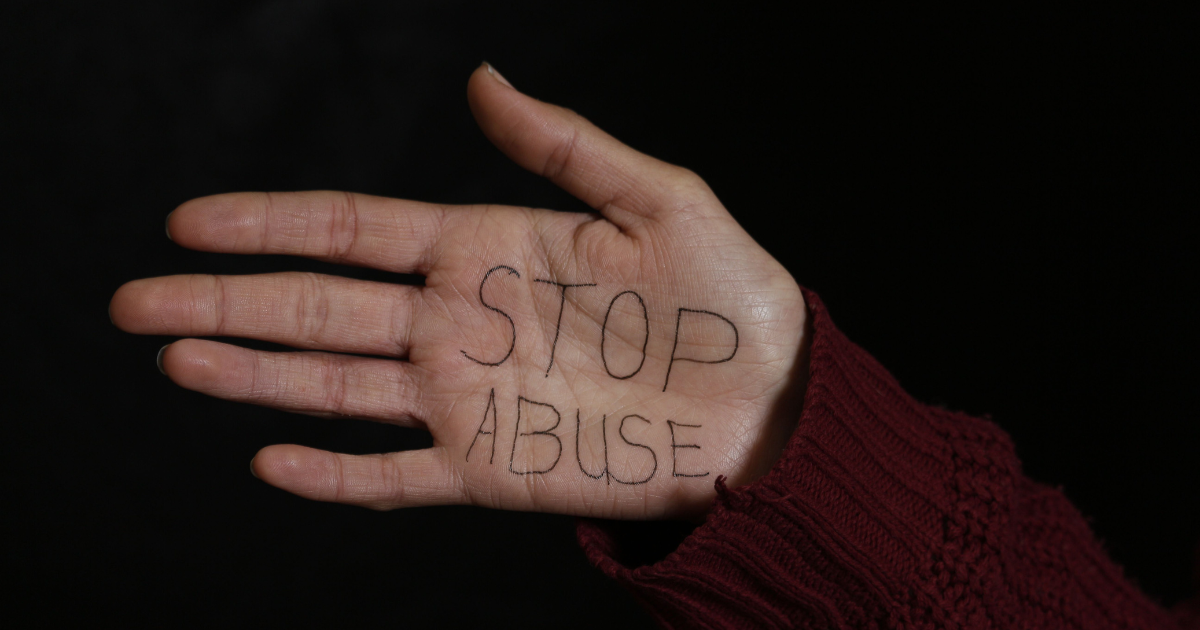
The harm from toxic relationships often outlasts the relationship itself. The Office on Women’s Health notes that staying in an emotionally or verbally abusive relationship can lead to chronic pain, depression, or anxiety. Survivors may also be left with:
- Difficulty trusting new partners or friends
- Trauma bonding, a powerful attachment to the abuser formed through repeated cycles of harm and reconciliation
- Loss of identity, personal goals, and social connections
- A higher risk of falling into similar relationship patterns later
Emotional abuse can also escalate. The National Network to End Domestic Violence explains that abusers may use several types of abuse at once or escalate over time as they seek more control. If you ever feel physically unsafe, treat it as an emergency and call 911.
Breaking Free: Steps Toward Trauma Recovery
Leaving an emotionally abusive relationship takes courage, and it is often a process rather than a single moment. These steps can help:
- Name what is happening. Recognizing the behavior as abuse is often the first turning point.
- Reach out. Tell a trusted friend, relative, or counselor. Isolation is one of abuse’s strongest tools, and connection weakens it.
- Make a safety plan. If you worry about your partner’s reaction, plan where you will go, what you will bring, and who you will call. The National Domestic Violence Hotline (1-800-799-7233, or text START to 88788) can help you plan.
- Set boundaries or limit contact. Reduce or end contact where possible. If you share children, keep communication brief and in writing.
- Get professional support. A trauma-informed therapist can help you process the experience and rebuild your sense of self.
Building a Foundation for Healing After Abuse
Healing begins once you are safe, and it takes patience with yourself. According to the Office on Women’s Health, symptoms caused by abuse or trauma can usually be treated with talk therapy, medication, or both, and mind-body practices such as mindfulness and yoga are sometimes added alongside those treatments. Structured approaches like cognitive behavioral therapy (CBT) and dialectical behavior therapy (DBT) can help you challenge the beliefs the abuser planted and manage intense emotions.
Everyday habits matter too: steady sleep, regular movement, time with supportive people, and returning to activities you gave up during the relationship. Recovery is rarely a straight line. Setbacks are normal and do not mean you are failing.
Mental Health Support and Resources for Survivors at San Francisco Mental Health
Understanding emotional abuse is an important first step, but you do not have to work through the aftermath alone. At San Francisco Mental Health, our clinicians provide compassionate, trauma-informed care for people recovering from toxic relationships, gaslighting, and psychological control. We help clients understand what happened, manage anxiety and depression, and rebuild confidence and healthy boundaries.
Whether you are still in the relationship, recently left, or still feeling the effects years later, the right support can make the path forward clearer. Contact San Francisco Mental Health or call (415) 993-5094 today to schedule a consultation and take your first step toward healing.

FAQs
-
Can emotional abuse occur without physical violence in relationships?
Yes. Emotional abuse can exist entirely on its own, with no physical harm at all. Insults, threats, isolation, and gaslighting are all forms of abuse, and they cause real harm by themselves. Emotional abuse can also be an early sign that physical abuse may follow, which is another reason to take it seriously.
-
How does gaslighting differ from other forms of psychological manipulation tactics?
Many manipulation tactics, such as guilt-tripping or threats, aim to change your behavior. Gaslighting goes further by attacking your confidence in your own memory and perception. Once you start doubting what you saw and heard, you become more reliant on the abuser’s version of events.
-
What physical symptoms might indicate someone is experiencing verbal abuse trauma?
Trouble sleeping, changes in appetite, and chronic pain are among the physical signs linked to abuse and trauma. Some people also notice ongoing fatigue or tension. A medical provider can help rule out other causes and connect you with mental health care.
-
Why do narcissistic abusers use isolation as a control mechanism?
Isolation removes outside perspectives. Without friends or family to reality-check the relationship, the victim relies more heavily on the abuser for support and information. That dependence makes the abuse harder to recognize and much harder to leave.
-
How long does trauma recovery typically take after leaving a toxic relationship?
There is no set timeline. Guidance from the Office on Women’s Health notes that trauma symptoms sometimes do not affect daily life until many months or years later, so recovery may unfold in stages. The length of the relationship, past trauma, and access to support all shape the process. Consistent therapy tends to make it steadier and more manageable.
References
- Office on Women’s Health. (2024, December 6). Emotional and verbal abuse. U.S. Department of Health and Human Services. https://womenshealth.gov/relationships-and-safety/other-types/emotional-and-verbal-abuse
- Office on Women’s Health. (2025, September 26). Abuse, trauma, and mental health. U.S. Department of Health and Human Services. https://womenshealth.gov/mental-health/abuse-trauma-and-mental-health
- National Network to End Domestic Violence. (n.d.). Forms of abuse. https://nnedv.org/content/forms-of-abuse/
- Cleveland Clinic. (2024, October 21). Am I being gaslighted? Take this quiz. Health Essentials. https://health.clevelandclinic.org/gaslighting-quiz