Skip to content


The menorah’s glow should warm the soul, but for many, depression during Hanukkah casts long shadows that make the Festival of Lights feel dim and distant. This season of miracles can amplify feelings of Hanukkah blues, holiday loneliness, and the weight of seasonal affective disorder, creating a complex emotional landscape where joy and sorrow intertwine. Jewish mental health faces unique pressures during this time – coping with holiday depression requires intention, managing holiday stress demands boundaries, and Hanukkah grief support calls for gentle remembrance. This blog offers compassionate, practical guidance to navigate these challenges while honoring both faith and emotional well-being, helping you find light even on the darkest nights.
Depression During Hanukkah: Compassionate Paths to Connection and Care
Depression during Hanukkah often emerges quietly, disguised as fatigue or irritability that family members might dismiss as “just the holiday rush,” yet these feelings can persist long after the latkes are eaten and the candles extinguished. The roots run deep – seasonal affective disorder reduces sunlight exposure that regulates serotonin, while cultural expectations for perfect family gatherings create pressure that feels impossible to meet. Social media amplifies the contrast between curated holiday joy and personal struggles, deepening feelings of inadequacy. Grief resurfaces as empty chairs at the sukkah table remind us of loved ones missing, and financial stress from gift-giving adds another layer of worry. The stigma within Jewish communities – that mental health struggles reflect spiritual weakness – keeps many silent, preventing them from seeking the support they deserve.
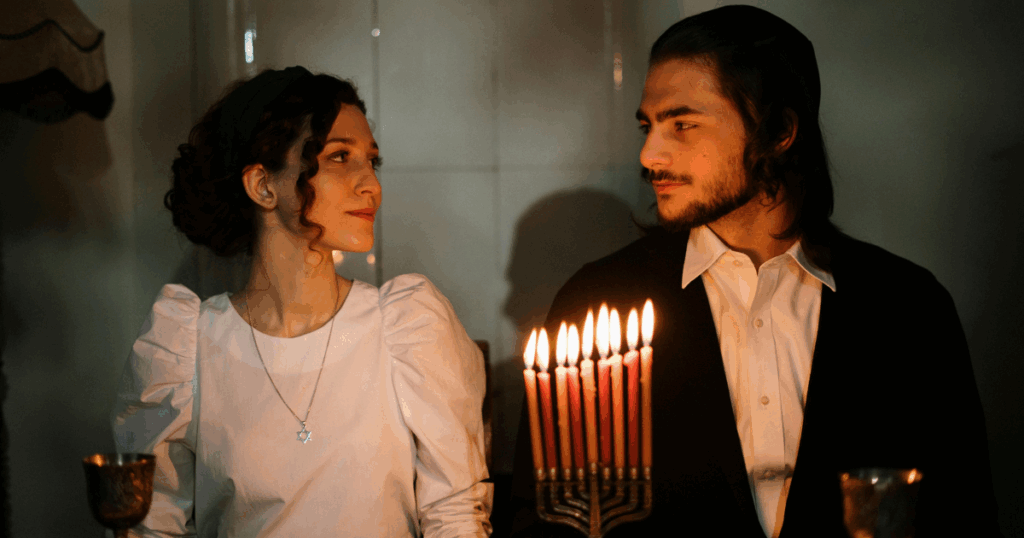
Signs, Roots, and Stigma Around Depression During Hanukkah and Hanukkah Blues
Signs of depression during Hanukkah include withdrawal from festivities, irritability over traditions, sleep or appetite changes, and hopelessness that “Hanukkah is pointless.” Roots involve seasonal affective disorder from reduced sunlight, cultural pressure for perfect joy, and grief reactivation. Hanukkah blues describe milder sadness; depression persists and impairs functioning.
Key signs to watch:
- Withdrawal from family events.
- Irritability during candle lighting.
- Sleep changes — too much or too little.
- Appetite shifts — comfort eating or none.
- Hopelessness about traditions.
The table contrasts holiday blues with clinical depression:
| Aspect | Holiday Blues | Clinical Depression | When to Seek Help |
| Duration | Temporary, resolves post-holiday | Persistent, >2 weeks | Interferes with daily life |
| Intensity | Mild sadness, occasional tears | Deep hopelessness, suicidal thoughts | Suicidal thoughts |
| Triggers | Specific events (family dinner) | No clear trigger, constant | Weight/appetite change |
| Self-Resolution | Improves with time | Requires intervention | Complete withdrawal |
Holiday Loneliness, Community Connection, and Jewish Mental Health
Holiday loneliness strikes hardest when surrounded by others yet feeling unseen, as Hanukkah gatherings highlight missing connections or strained relationships that leave individuals emotionally isolated. Jewish mental health suffers when cultural expectations demand constant cheer while personal struggles remain hidden behind forced smiles. Community connection becomes medicine – synagogue youth groups offer low-pressure belonging, virtual family Zooms bridge geographical gaps, and volunteering at Hanukkah events creates purpose beyond personal pain. Small acts like texting “Chag sameach” to one friend or inviting someone for latkes combat isolation effectively. The key lies in starting where you are – acknowledging loneliness without shame opens doors to genuine connection.
Seasonal Affective Disorder: Winter Light and Mood During Hanukkah
Seasonal affective disorder transforms Hanukkah’s darkness into more than a symbolic challenge, as reduced daylight disrupts circadian rhythms and serotonin production that regulate mood. The winter solstice timing means shorter days coincide with holiday preparations, creating a perfect storm of biological and emotional stress. Light therapy counters this effectively – 10,000 lux lamps for 30 minutes each morning mimic natural sunlight, while outdoor midday walks capture whatever rays penetrate clouds. Vitamin D supplementation addresses deficiencies common in winter months, and consistent sleep schedules prevent the fatigue that amplifies depressive symptoms. Understanding SAD as a medical condition rather than personal failure removes self-blame that keeps many from seeking help.
The table shows SAD management strategies:
| Strategy | Implementation | Benefit | Duration |
| Light Therapy | 10,000 lux, 30 minutes morning | Increases serotonin | 2-4 weeks for effect |
| Outdoor Time | 20 minutes of midday sun | Natural vitamin D | Daily |
| Vitamin D | 2,000 IU supplement | Mood stabilization | Ongoing winter |
| Exercise | 30 minutes daily | Endorphin release | Immediate + cumulative |
Coping with Holiday Depression and Managing Holiday Stress, Rituals, Boundaries, and Self-Care
Coping with holiday depression begins with lowering expectations – store-bought treats satisfy just as well as homemade when energy runs low. Flexible scheduling allows menorah lighting anytime rather than at precise minutes, removing one more pressure point. Boundaries protect mental space: “Join for gifts, skip dinner” prevents overwhelm while maintaining connection. Self-care rituals include micro-connections like texting one friend daily, gratitude practices, naming one miracle per candle, and body movement through Hanukkah song dancing. Validation without judgment – “It’s okay if Hanukkah feels hard” – creates emotional safety for honest expression.
Hanukkah Grief Support Remembrance Honoring Loved Ones and Communal Healing
Hanukkah grief support acknowledges that joy and sorrow coexist, creating space to honor loved ones while celebrating miracles. Light a yahrzeit candle alongside the menorah, share their favorite stories each night, or donate tzedakah in their name to transform pain into purpose. Memory rituals like photo displays or special recipes keep the connection alive without forcing cheer. Temple grief circles provide communal healing where shared tears become shared strength. Professional counseling helps process complicated emotions when traditions trigger fresh waves of loss.
When to Seek Help: Support Lines, Therapists, and Faith-Based Resources
Seek help when depression during Hanukkah persists beyond the holiday, interferes with daily functioning, or includes suicidal thoughts. Crisis lines offer immediate support – 988 connects to trained counselors 24/7. Jewish therapists integrate faith with evidence-based treatment, while rabbis provide a spiritual perspective. Support groups specifically for holiday grief meet virtually and in person. Early intervention prevents escalation and models self-care for future seasons.
San Francisco Mental Health: Your Hanukkah Light Through Darkness
When holiday shadows fall, expert care ignites hope. At San Francisco Mental Health, we illuminate depression during Hanukkah with culturally sensitive coping with holiday depression, managing holiday stress, and Hanukkah grief support. From holiday loneliness solutions to seasonal affective disorder treatment, we’re here. Contact San Francisco Mental Health today to learn more or schedule your light. Your brighter season awaits.
FAQs
1. What are the signs and roots of depression during Hanukkah and how do they relate to Hanukkah blues?
Signs include withdrawal from festivities, irritability over traditions, sleep/appetite changes, and hopelessness (“Hanukkah is pointless”). Roots involve seasonal affective disorder from reduced sunlight, cultural pressure for perfect joy, and grief reactivation. Hanukkah blues describe milder sadness; depression persists and impairs functioning.
2. How can individuals dealing with holiday loneliness strengthen community connections and improve Jewish mental health during Hanukkah?
Strengthen connections through synagogue youth groups, virtual family Zooms, or volunteering at Hanukkah events to combat isolation. Share one tradition with a friend – text “Chag sameach” or invite for latkes. Jewish mental health improves with shared rituals and reduced “otherness” feelings.
3. What role does seasonal affective disorder play in affecting mood during Hanukkah, and how can one manage it?
Seasonal affective disorder reduces serotonin from shorter days, worsening mood 11% in winter – Hanukkah’s darkness amplifies this. Manage with 10,000 lux light therapy 30 minutes daily, outdoor time, and vitamin D supplements. Track mood to adjust treatment.
4. What strategies can be used for coping with holiday depression and managing holiday stress during Hanukkah?
Strategies include lowering expectations (store-bought treats), flexible scheduling (light menorah anytime), and micro-connections (text one friend). Practice gratitude – one miracle per candle – and body movement like Hanukkah song dancing. Validate feelings without judgment.
5. What resources are available for Hanukkah grief support, and how can they help in honoring loved ones and promoting communal healing?
Resources include synagogue grief circles, yahrzeit candles with a menorah, and memory rituals like story-sharing each night. Donate tzedakah in their name or create memory ornaments. These honor loss while connecting to the community, reducing isolation.